Cultural perceptions of luck in global gambling traditions
Understanding Luck in Gambling
Luck plays a pivotal role in gambling, transcending mere chance to embody cultural beliefs and practices. Across various societies, the concept of luck varies significantly, influencing how individuals approach gambling. For instance, in Western cultures, luck is often seen as an unpredictable force that can change in an instant. This belief manifests in popular sayings like “the luck of the draw,” where fate seems to play a significant role in the outcome of games. Interestingly, many players in New Zealand have found that their gaming experience is enriched at Casea casino, where they can engage with various luck-related strategies.

In contrast, many Asian cultures interpret luck as something that can be cultivated or enhanced through rituals and symbols. For example, in Chinese culture, certain numbers are considered auspicious, while others are avoided due to their negative connotations. The number eight, for instance, is revered for its association with prosperity, leading players to seek it in various games. This cultural interpretation highlights how luck is deeply intertwined with social and cultural contexts, affecting both the strategies players adopt and their overall gambling experiences.
Furthermore, the psychological aspect of luck cannot be overlooked. Gamblers often create narratives around their experiences, attributing wins to good luck and losses to bad luck. This not only reinforces their beliefs about luck but also influences their future betting behaviors. Understanding these perceptions allows for a more comprehensive grasp of how luck operates in the gambling landscape, revealing the intersection between culture, psychology, and chance.
Cultural Rituals and Symbols
Rituals and symbols associated with luck vary widely across cultures, enriching the gambling experience. In many Indigenous cultures, for instance, rituals before a gambling session are common. These may include prayers or offerings to spirits, seeking their favor for a successful outcome. Such practices underscore the belief that luck is not merely a random occurrence but something that can be influenced by spiritual or supernatural forces.
In the context of casinos, players often carry personal tokens or charms believed to bring them good luck. For example, many players may carry rabbit’s feet, four-leaf clovers, or other culturally significant items that they associate with positive outcomes. This practice can serve to bolster a player’s confidence, providing them with a psychological edge as they engage in games of chance.
Moreover, the significance of luck in rituals extends to the games themselves. In some cultures, specific games are believed to be luckier than others. For example, Sic Bo is often favored in Asian gambling traditions due to the belief that it offers a higher chance of favorable outcomes. These rituals and symbols reflect a rich tapestry of beliefs and practices, all aiming to manipulate the elusive nature of luck in gambling.
Regional Differences in Luck Perception
Different regions around the world showcase distinct attitudes towards luck in gambling. In Europe, for example, many gamblers view luck as a game of probabilities, often using mathematical strategies to improve their odds. The concept of “the gambler’s fallacy” — the belief that past events influence future outcomes — also prevails, leading to varied betting strategies. This analytical approach stems from a cultural emphasis on rationality and logic, often overshadowing the mystical aspects of luck.
Conversely, in Latin American cultures, luck is frequently intertwined with spirituality and community. Many players believe in the power of collective energies, often gambling in groups to amplify their chances of success. The notion that luck can be shared among friends and family illustrates a communal approach to gambling that contrasts sharply with more individualistic perceptions found in Western cultures.
Additionally, cultural festivals and local customs often dictate when and how gambling occurs, further impacting the perception of luck. For example, during the Lunar New Year, many Asian communities engage in games like Mahjong, driven by the belief that the auspicious time of the year enhances their chances of winning. This rich variation in regional beliefs showcases how cultural backgrounds significantly shape the understanding and experiences of luck in gambling.
The Role of Superstitions in Gambling
Superstitions significantly influence gambling behaviors, with various cultures having unique beliefs that dictate how players engage with games. For instance, in Western cultures, it’s common to avoid certain actions, like crossing one’s fingers or blowing on dice, which are thought to influence luck. Such rituals can create a sense of control in an otherwise unpredictable environment, providing emotional comfort to players during high-stakes games.
In contrast, Japanese gambling traditions, especially in games like Pachinko, are steeped in superstitious practices. Players may perform specific actions, such as tapping the machine or saying certain phrases to bring good fortune. These rituals reflect a deeply rooted belief that the outcome of gambling is not solely reliant on chance but can be influenced through mindful actions.
Moreover, the psychological impact of superstitions cannot be understated. Engaging in rituals can enhance a player’s enjoyment and engagement, offering a sense of agency in their gambling experience. This interplay between superstition and luck reveals a fascinating dimension of gambling, highlighting how cultural beliefs shape behaviors and influence the ways individuals navigate games of chance.
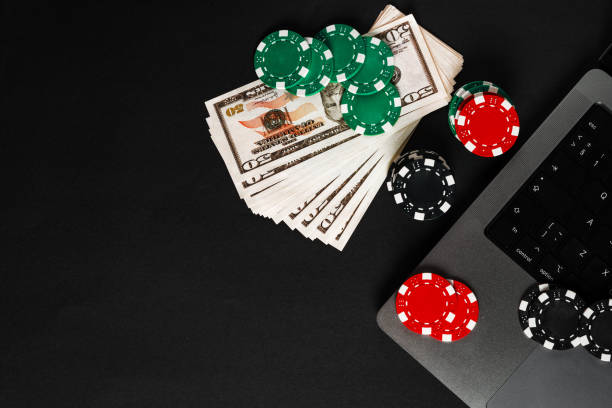
Exploring Online Gambling and Cultural Luck
The rise of online gambling has introduced a new dimension to the cultural perceptions of luck. As players from diverse backgrounds converge on virtual platforms, their varied beliefs and practices surrounding luck influence their gaming experiences. For instance, players may adopt rituals from their cultural backgrounds, such as specific betting patterns or preferences for certain types of games, even in an online environment.
Websites that offer a broad range of games often cater to these cultural perceptions by integrating features that resonate with diverse beliefs about luck. For example, some platforms might highlight specific games that are considered lucky in certain cultures, providing tailored experiences that resonate with players’ cultural identities. This fusion of technology and tradition allows for a richer gambling experience that honors individual beliefs.
Furthermore, the social aspect of online gambling can enhance feelings of community and shared luck. Many players engage in online forums or communities where they share superstitions, strategies, and experiences. This collective sharing not only reinforces individual beliefs but also creates a sense of belonging that transcends geographical boundaries. Thus, the online gambling landscape is reshaping the cultural perceptions of luck, making it a significant factor in how players engage with gaming.